
Watching a parent slow down brings Sad emotions to everyone who are all faces this situation. Care, worry, and confusion often arrive together. Many families start searching for answers on How to Manage Chronic Illness in Elderly Parents while trying to balance work and life. This journey becomes easier with the right support, structure, and guidance from trusted care providers. A Story That Feels Familiar Last year, a daughter noticed her father forgetting medicines. His diabetes and blood pressure needed constant monitoring. At first, small mistakes felt manageable. However, over time, missed doses and irregular meals caused stress. That’s when structured elderly care support services stepped in, bringing routine and relief. Managing chronic illness in elderly parents requires a mix of medical care, daily routine, emotional support, and monitoring. Structured caregiving ensures medication adherence, timely health checks, and lifestyle balance. Support services also reduce caregiver burden while improving the parent’s overall quality of life. How to Manage Chronic Illness in Elderly Parents with Structured Support? A clear system makes everything easier. Instead of reacting to problems, proactive care builds stability. Families often realize that handling everything alone leads to burnout. So, a guided approach becomes essential. Building a Daily Care Routine Consistency changes outcomes. A fixed schedule for medicines, meals, and sleep reduces health risks. When caregivers assist, routines stay uninterrupted even during busy days. Monitoring Health Conditions Regular tracking helps detect early warning signs. Blood sugar, pressure levels, and mobility changes need attention. This is where How to Manage Chronic Illness in Elderly Parents becomes more practical with professional monitoring support. Emotional Well-being Matters Too Health is not just physical. Parents often feel dependent or isolated. Small conversations and companionship improve mood and cooperation. Care services bring trained professionals who understand both medical and emotional needs. Making Care Easier with Santhosam Choosing the right support transforms the experience. Instead of constant worry, families feel reassured. Parents receive dignified care at home, while children regain peace of mind. When families explore How to Manage Chronic Illness in Elderly Parents, they often discover that shared responsibility leads to better outcomes. With the right care partner, the journey becomes less stressful and more meaningful. “Give your parents the comfort they deserve. Choose Santhosam Care for reliable, compassionate support in managing chronic illness at home”
How to Choose the Right Healthcare Provider for Your Elderly Parent? – Santhosam Senior Care Support at Salem
Last year, I faced a situation that many people go through but never feel prepared for. My mother started needing regular medical care, and I was not sure where to begin. Hospitals, clinics, home nurses, and care services everything looked confusing. That was when I seriously started searching How to Choose the Right Healthcare Provider for my elderly parent. I wanted someone reliable, caring, and close to Salem so that I could feel relaxed even when I was busy. At first, I thought choosing a doctor was enough. But slowly I understood that elderly parents need more than treatment. They need attention, patience, and emotional comfort. When I Realized Choosing Care Is Not Simple I fixed appointments, arranged medicines, and checked on my mother daily these are all done as myself in beginning. However, whenever I could not visit, she felt lonely and worried. That moment made me think again about How to Choose the Right Healthcare Provider who could support both health and daily life. While talking to friends and relatives, I noticed that many families in Salem faced the same problem. Some had good hospital support but no home care. Others had helpers but no proper health monitoring. I understood that the right healthcare provider should give complete support, not just treatment. How to Choose the Right Healthcare Provider for Elderly Parents? A good provider must understand senior health, daily routine, and family concerns. Experience, trust, and quick response are very important. I also realized that organized senior care services are better than depending only on hospitals. Parents feel comfortable at home, so home-based care with medical support makes life easier. That is when I first heard about Santhosam senior care support at Salem. What Should You Check Before Choosing Elder Care? A reliable healthcare provider for elderly parents should offer regular monitoring, trained caregivers, emergency support, and clear communication with family members. Local availability, experience in senior care, and emotional support services are important factors. The right provider should make both parents and children feel safe and confident. My Experience with Santhosam Senior Care Support at Salem After many discussions, I finally understood about Choosing the Right Healthcare Provider by checking trust, experience, and personal care. Santhosam gave me confidence because their team focused on both health and emotional well-being. They visit regularly, monitor health conditions, and inform the family about any changes. My mother also feels comfortable because the caregivers talk with her and help her follow her daily routine. Another reason I trusted them was their presence in Salem. Quick help is very important when parents need support suddenly. What I Finally Understood as a Family Member? Today, I feel peaceful because I know my parent is safe. Understanding How to Choose the Right Healthcare Provider changed the way I look at elder care. It is not only about treatment. It is about trust, care, and feeling that someone is always there. “In Salem, Santhosam make this decision easier and more comfort one one for NRIs.Then Why are you waiting for your parents care choice?Enquire now @ https://parentcareindia.com/ ”
Importance of Mental Health Care for Elderly Parents: Why Santhosam Care Services Matter for Families?
Aging parents often need more than physical support. They also need emotional care, attention, and a sense of security. The Importance of Mental Health Care for Elderly Parents becomes clear when families notice loneliness, fear, or confusion in their daily life. Many elderly people live away from their children, and this distance can affect their mental well-being. When proper care is given, seniors feel respected, safe, and valued. Services like Santhosam trusted care help families stay confident that their parents are emotionally supported even when they cannot be present every day. Understanding Emotional Needs in Old Age Growing older brings many changes. Health issues, reduced mobility, and loss of friends can affect the mind. Because of this, elderly people may feel anxious or isolated. Emotional care helps them stay positive and confident. Families often focus on medicines and hospital visits, but mental comfort matters equally. When seniors feel heard and supported, their overall health improves. Regular interaction, friendly conversations, and caring assistance make a big difference. Why the Importance of Mental Health Care for Elderly Parents Cannot Be Ignored? The Importance of Mental Health Care for Elderly Parents becomes stronger when parents live alone or when children work in other cities or countries. Lack of emotional support can lead to stress, sleep problems, or depression. Santhosam care services help by providing regular visits, friendly communication, and trusted assistance. These services ensure that parents never feel abandoned. Families also feel relaxed knowing that someone responsible is always checking on their loved ones. Mental health care keeps elderly parents emotionally stable, socially active, and confident. When seniors receive regular support, they feel secure and less lonely. Professional care services provide companionship, safety checks, and daily assistance, which helps families stay worry-free while ensuring parents live with dignity and comfort. Santhosam Services Support Emotional Well-Being Families often worry when they cannot stay close to their parents. In such situations, the Importance of Mental Health Care for Elderly Parents becomes more meaningful. Santhosam provides trusted care through trained staff who understand the emotional needs of seniors. Care services include friendly visits, help with daily tasks, and regular updates to family members. These simple actions give seniors a feeling that someone is always there for them. Emotional support also helps reduce fear during medical or personal difficulties. Another important part of care is communication. When parents talk regularly with caregivers, they feel less alone. This creates a healthy routine and keeps their mind active. Building Confidence in Families Through Care Services Children living far away often feel guilty about not being present. The Importance of Mental Health Care for Elderly Parents becomes clear when families see how professional support improves their parents’ happiness. Santhosam care services build trust by staying connected with both parents and children. Updates, visits, and personal attention help families feel confident. Instead of worrying every day, they know their parents are safe and emotionally supported. Emotional support keeps seniors happy, confident, and mentally strong. By Santhosam care services, parents receive the attention they deserve, and families can live peacefully knowing their loved ones are safe and cared for.
Why Regular Health Checkups Important for Elderly Parents ?: Santhosam’s Trusted Care for Aging Parents
As parents are alone, their health needs more attention than before. NRIs must realize Why Regular Health Checkups Important for Elderly Parents, especially when small health issues become serious problems. Regular medical checkups help detect health risks early and keep seniors safe, active, and confident. For son /Daughter living away from home, knowing that their parents are monitored regularly gives peace of mind. With proper support from Santhosam’s trusted care services, families can make sure their parents receive timely medical attention without stress. Understanding Health Checkups Importance for Elderly Parents Aging brings natural changes in the body. Because of this, seniors may not notice symptoms until the condition becomes severe. That is exactly Why Regular Health Checkups Important for Elderly Parents. Regular screening helps doctors identify problems like diabetes, blood pressure, heart issues, or bone weakness before they become dangerous. When checkups are done on time, treatment becomes easier and recovery becomes faster. In addition, routine monitoring also helps doctors adjust medicines and lifestyle plans based on the parent’s health condition. Regular health checkups are important for elderly parents because aging increases the risk of hidden health problems. Routine medical tests help detect diseases early, reduce complications, and ensure proper treatment. With regular monitoring, seniors stay healthier, safer, and more independent, while families feel confident about their parents’ well-being. Common Health Problems That Need Regular Monitoring Many health issues appear slowly in old age. Because of that, regular testing becomes necessary. Safety Points for Seniors These simple tests help families understand their parents’ health clearly. They also prevent emergency situations that can be stressful for both parents and children. How Santhosam Helps Families with Elderly Health Care? Many of them their son/Daughter live in different cities or countries. Because of this, they worry about their parents’ health. This situation shows again Why Regular Health Checkups Important for Elderly Parents, especially when parents stay alone. Santhosam provides trusted support by arranging doctor visits, lab tests, and follow-up care. The team ensures parents attend scheduled checkups on time. They also update family members regularly so that everyone stays informed. With proper assistance, elderly parents do not miss medical appointments. At the same time, families feel relaxed knowing someone responsible is taking care of their parents. Benefits of Regular Checkups for Aging Parents Regular health monitoring does more than detect disease. It also improves quality of life. Care Points to Remember Because of these benefits, doctors strongly recommend routine health tests after the age of sixty. Why Families Should Not Ignore Regular Medical Care? Many parents say they feel fine and avoid hospital visits. However, this habit can be risky. That is another reason Why Regular Health Checkups Important for Elderly Parents. Some diseases show no symptoms in the early stage. Without testing, problems may stay hidden for years. When families arrange regular checkups, they protect their parents from unexpected health troubles. With Santhosam’s trusted care, elderly parents receive support, reminders, and safe medical follow-ups whenever needed. Health is the biggest support for parents in old age. Regular monitoring keeps them safe, independent, and happy. Families who understand Why Regular Health Checkups Important for Elderly Parents can prevent many health problems before they become serious. With Santhosam’s caring service, parents receive the attention they deserve, and children stay worry-free wherever they live. “You are the person needs production for your loved ones ?Then visit santhosam and start their preventive care journey”
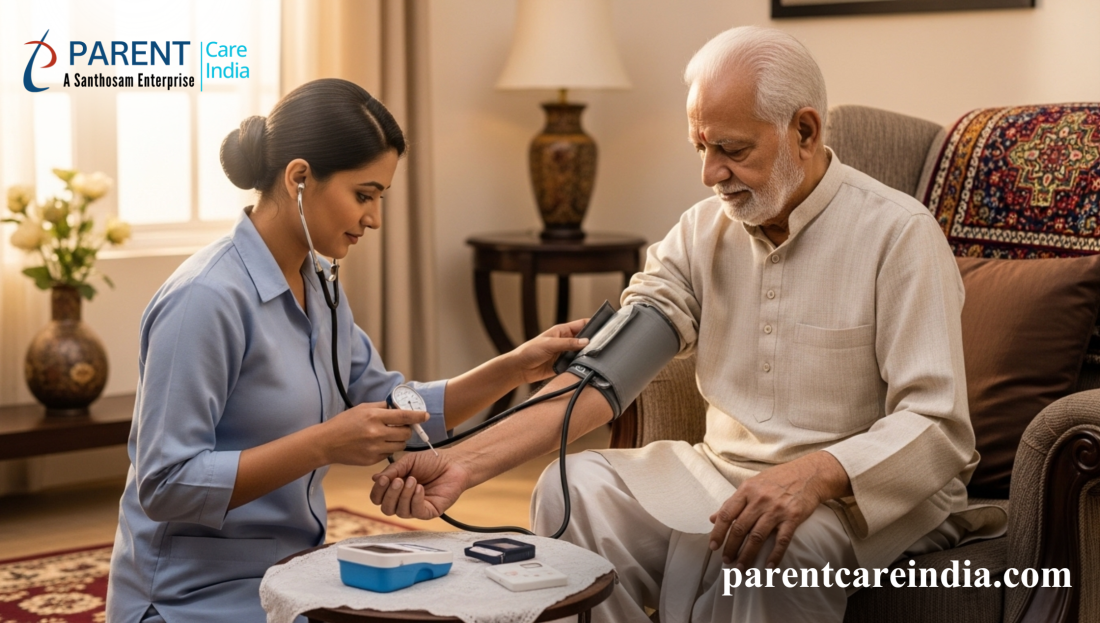
Importance of Health Checkups for Elderly Parents: How Regular Monitoring Keeps Them Safe and Healthy
As parents grow older, their health needs more attention than before. Many families realize this only after a medical emergency happens. Regular monitoring, timely treatment, and emotional care play a major role in helping seniors live safely and comfortably. The Importance of Health Checkups for Elderly Parents becomes very clear when we understand how aging affects the body and mind. Small health issues can become serious if they are not detected early. Because of this, families, caregivers, and even NRIs living abroad must make regular health care planning for their parents. The Importance of Health Checkups for Elderly Parents is not only about visiting hospitals. It also includes preventive care, mental health support, proper medical guidance, and choosing the right healthcare provider. Elderly parents may not always express their problems, so routine checkups help identify hidden conditions like diabetes, blood pressure, heart problems, and memory loss. When health is monitored regularly, seniors can live with confidence and dignity. In this guide, we will explain the Importance of Health Checkups for Elderly Parents through different aspects such as regular checkups, chronic illness care, choosing the right doctor, and mental health support. This blog will help families understand how to take proper care of elderly parents in a safe, planned, and responsible way. Why Regular Health Checkups Are Crucial for Elderly Parents Understanding the Importance of Health Checkups for Elderly Parents starts with knowing why regular medical checkups are necessary. As age increases, the body becomes weaker, immunity reduces, and the risk of diseases becomes higher. Many health problems in elderly parents develop slowly, and without regular checkups, these problems may not be noticed until they become serious. Regular health checkups help doctors monitor the body condition, control existing diseases, and prevent future complications. The Importance of Health Checkups for Elderly Parents is especially high for seniors who live alone, parents whose children live abroad, and elderly people who already have medical conditions. Routine health monitoring gives peace of mind to both parents and family members. It also helps caregivers plan better treatment and support. Early Detection of Health Problems in Elderly Parents One major reason behind the Importance of Health Checkups for Elderly Parents is early detection of health problems. Many serious diseases such as heart disease, diabetes, kidney issues, and even cancer often begin with very small symptoms that elderly parents may ignore. They may think that tiredness, body pain, or weakness is a normal part of aging and may not tell anyone about it. Because of this, regular health checkups become very important. During routine medical visits, doctors can identify early signs of illness through simple tests and examinations. When diseases are detected at an early stage, treatment becomes easier, safer, and less expensive. Early diagnosis also helps avoid sudden medical emergencies and allows elderly parents to live a longer and healthier life with proper care. Preventive Healthcare for Safe Aging Preventive care is one of the strongest reasons that explain the Importance of Health Checkups for Elderly Parents. Instead of waiting for illness, doctors can guide seniors to stay healthy through routine tests and lifestyle advice. Preventive health checkups may include: These checkups help elderly parents stay active and independent for a longer time. Monitoring Existing Medical Conditions Many elderly parents already live with one or more medical conditions such as diabetes, high blood pressure, arthritis, thyroid problems, or heart disease. In such situations, the Importance of Health Checkups for Elderly Parents becomes even greater because these health problems need continuous monitoring. Without regular medical review, these conditions may slowly become worse without showing clear symptoms. During routine checkups, doctors check the progress of the disease, review medicines, and make changes if necessary. Sometimes the same medicine may not work the same way as the body grows older, so regular follow-up is very important. Monitoring existing medical conditions helps avoid complications, reduces hospital visits, and improves the overall quality of life for elderly parents. Reducing Emergency Hospital Visits Many families realize the real Importance of Health Checkups for Elderly Parents only after facing a sudden medical emergency. Most emergency hospital visits happen because small symptoms were ignored for a long time. Regular health checkups help in controlling health conditions before they become serious. When doctors check blood pressure, sugar levels, heart health, and overall body condition regularly, they can notice changes early and give proper treatment. This reduces the risk of sudden illness, falls, weakness, or breathing problems. When elderly parents go for routine checkups, their health remains stable, and the chances of emergency hospitalization become much lower. This not only protects the health of parents but also reduces stress for family members. Building Confidence and Emotional Security in Elderly Parents Health care for seniors is not only about physical treatment but also about emotional safety. The Importance of Health Checkups for Elderly Parents includes giving confidence to elderly parents that their health is being monitored regularly. When seniors know that their children and caregivers are taking care of their medical needs, they feel more secure and relaxed. Regular doctor visits create a sense of safety because they know that any health problem will be noticed early. This emotional comfort helps them stay positive and reduces fear about illness. Elderly parents who receive regular health care support often feel more confident in their daily activities and are able to live independently for a longer time. Emotional security is an important part of healthy aging, and regular checkups play a big role in providing that confidence. Managing Chronic Illnesses in Elderly Parents: A Guide for Caregivers As parents grow older, many of them start living with long-term health conditions such as diabetes, blood pressure, heart disease, arthritis, or breathing problems. In such situations, the Importance of Health Checkups for Elderly Parents becomes even more critical because chronic illnesses need continuous monitoring and proper medical guidance. Without regular checkups, these conditions may become severe and affect daily life. Caregivers and family members must understand that managing chronic illness is

Maintaining Bonds from Afar: Tips for NRIs to Support Parents Emotionally
Living abroad as a Non-Resident Indian (NRI) can create a unique set of challenges, especially when it comes to supporting aging parents emotionally. Being physically distant from family members, particularly elderly parents, can lead to feelings of guilt and concern.Fortunately, there are many ways that NRIs can stay emotionally connected with their parents despite the distance. In this blog, we will share tips for NRIs to support parents emotionally, ensuring they feel loved, heard, and supported. Why Emotional Support for Parents Is Essential for NRIs Providing emotional support to elderly parents is crucial for maintaining their mental and emotional well-being. As NRIs, it may feel difficult to keep up with your parents’ emotional needs when you’re far away, but emotional bonds can be maintained and even strengthened despite the physical distance. Being there for your parents emotionally ensures that they continue to feel valued, secure, and loved especially during times of illness, loneliness, or change. In this blog, we’ll discuss tips for NRIs to support parents emotionally and explore simple yet impactful ways to stay connected, even from across the world. Ways to Stay Emotionally Connected with Parents from Afar 1. Regular Communication is Key The first and foremost tip for NRIs to support parents emotionally is maintaining consistent communication. Although phone calls, video chats, and text messages may seem simple, they play a significant role in making parents feel emotionally supported. Through these efforts, you help bridge the emotional distance, making it easier for your parents to feel part of your life. 2. Encourage Social Interaction and Activities As parents grow older, social isolation becomes a common issue, especially if they live alone. Tips for NRIs to support parents emotionally should include encouraging your parents to remain socially active, whether it’s by joining a local community group, spending time with friends, or participating in hobbies. When elderly parents are socially engaged, it promotes their emotional well-being and reduces the isolation that often accompanies aging. 3. Send Thoughtful Gifts and Letters Another effective way to maintain emotional bonds is by sending thoughtful gifts, cards, or letters. While it might seem small, these gestures can go a long way in making your parents feel loved and appreciated. These tangible expressions of love help reinforce the emotional connection between you and your parents. 4. Be Involved in Family Milestones Despite being far away, showing involvement in family milestones can help your parents feel connected. Whether it’s birthdays, anniversaries, or other important events, your participation matters. This thoughtful involvement reminds your parents that they are still an integral part of your life, regardless of the physical distance. How Can NRIs Best Support Their Parents Emotionally? To best support elderly parents emotionally from abroad, NRIs should maintain regular communication, encourage social engagement, send thoughtful gifts, and remain involved in family events. By prioritizing emotional care through consistent and thoughtful actions, NRIs can ensure that their parents feel valued and supported, regardless of the distance. Staying Emotionally Connected with Your Parents Being an NRI often brings feelings of distance, both physical and emotional, from aging parents. However, with the right approach, you can still provide emotional support for your parents. The tips for NRIs to support parents emotionally shared in this blog like regular communication, encouraging social engagement, and sending thoughtful gifts help maintain strong emotional bonds. By consistently staying in touch and showing that you care, you ensure your parents feel loved, supported, and emotionally fulfilled, even from afar.
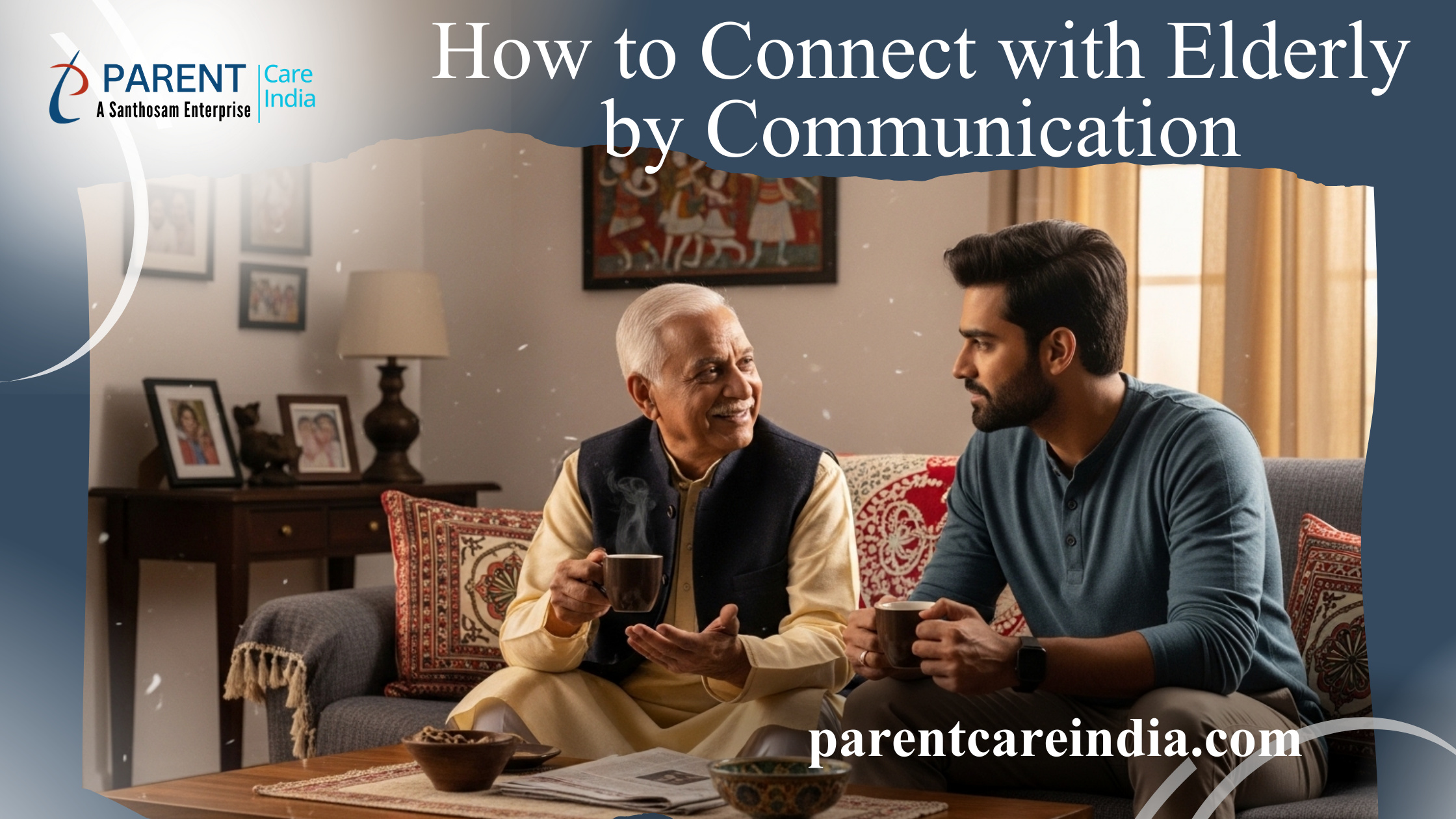
How to Connect with Elderly by Communication: Building Stronger Bonds
One of the most vital aspects of caregiving for the elderly is maintaining open, empathetic communication. Understanding how to connect with elderly by communication is key to building stronger relationships and providing better care. Communication helps to reduce feelings of isolation, enhances emotional well-being, and strengthens bonds between elderly parents and their caregivers or family members. By actively listening and engaging in meaningful conversations, caregivers can not only address their needs but also provide emotional support that fosters trust and reassurance. Strengthening the Emotional Bond with Elderly Parents When learning how to connect with elderly by communication, one of the first things to understand is that it fosters trust. Elderly parents, especially those with health concerns or cognitive decline, may feel vulnerable or anxious. Open and clear communication can reduce these feelings, making them feel more secure and supported. Trust builds over time, and by actively engaging in discussions, caregivers can provide the emotional reassurance elderly parents need to feel understood. Simple gestures like asking about their day, listening to their concerns, and offering validation can help foster trust and strengthen the emotional bond. How to Connect with Elderly by Communication ? 1. Active Listening is Key To successfully communicate with the elderly, caregivers need to practice active listening. This involves not only hearing what is being said but understanding the emotions behind the words. Communication is all about showing genuine interest in their thoughts and feelings. You can do this by maintaining eye contact, nodding, and refraining from interrupting while they speak. Listening attentively shows respect for their experiences and helps caregivers respond in a way that acknowledges their emotional state, further promoting a deeper connection. 2. Slow and Clear Speaking Many elderly individuals may experience hearing loss or cognitive decline, which can make understanding conversations challenging. When thinking about improvement of communication with elderly parents, it’s important to speak slowly and clearly. Avoid using complicated sentences or jargon, and instead, use simple language that is easy to understand. Make sure to pause and check in to see if they are following the conversation. Adjust your tone and pace based on their needs to ensure they feel comfortable and included in the discussion. Communication isn’t just about words non-verbal cues play a huge role in how we connect with others. Communication involves being aware of body language, facial expressions, and gestures. For example, a gentle touch on the hand or a smile can convey warmth and empathy, helping to establish a more personal connection. Maintaining open body language and facial expressions that reflect understanding and empathy can make a significant difference in creating a comfortable space for meaningful conversations. Why Communication is Crucial for Emotional Health? The Impact on Mental Health Effective communication is essential for promoting the mental and emotional health of elderly individuals. How to connect with elderly by communication involves creating an environment where they feel valued, heard, and supported. Open conversations provide a space for them to express their fears, concerns, or experiences, which is vital for mental well-being. Elderly parents often experience loneliness, which can lead to depression and other mental health issues. By engaging in consistent, meaningful conversations, caregivers and family members can mitigate these feelings of isolation, improving both mental and emotional health. Improving Bonds through Communication Communication is not just about talking it’s about creating a meaningful connection that nurtures emotional well-being. By listening attentively, speaking clearly, and offering empathy through both words and actions, you can build a stronger relationship with elderly parents. This form of communication fosters trust, reduces isolation, and enhances the overall quality of life for seniors. Whether you are a caregiver or a family member, understanding the importance of communication can make all the difference in providing the emotional support your elderly loved ones need. “In Santhosam we make sure it happens for your loved ones care .Visit @https://parentcareindia.com/now”
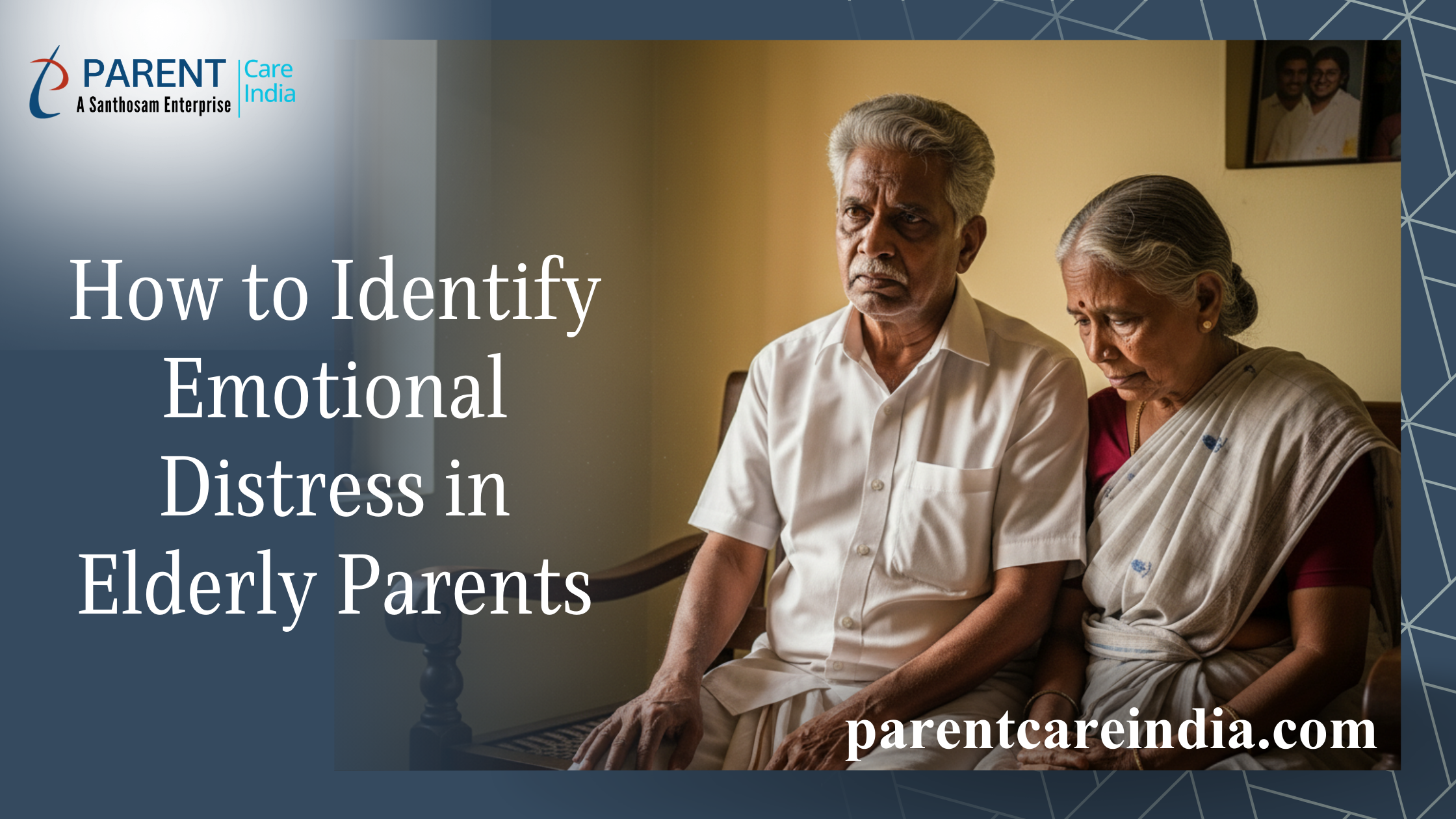
How to Identify Emotional Distress in Elderly Parents?: Understanding Their Emotional Needs
.As we age, our emotional health often becomes just as important as our physical well-being. For elderly parents, emotional distress can manifest in many ways, but it can sometimes go unnoticed. Recognizing these signs early can help caregivers provide the support and comfort needed to improve their loved ones’ quality of life. In this blog, we’ll explore how to identify emotional distress in elderly parents and highlight effective ways to address their emotional needs. Understanding Emotional Distress in Elderly Parents Emotional distress in elderly parents can often be subtle. It’s crucial to understand that this distress isn’t always expressed directly. Symptoms may vary, but they are often linked to a decline in their health, loss of independence, or major life changes. Being able to spot the early warning signs of emotional distress can prevent it from escalating into something more severe. Signs of Emotional Distress in Elderly Parents While the emotional state of every individual is different, there are common signs that can help you identify emotional distress in elderly parents. These can include: How to Identify Emotional Distress in Elderly Parents? One of the most important things to remember when it comes to how to identify emotional distress in elderly parents is that emotional health is often interconnected with their physical health. For instance, a senior experiencing chronic pain or illness might not just be physically affected but also emotionally distressed by their inability to live independently. Anxiety and depression are common emotional issues among seniors, and physical symptoms such as fatigue, sleep disturbances, and headaches may also be signs of emotional distress. Additionally, the loss of independence can trigger significant emotional distress, particularly in elderly individuals who may feel they are losing control over their lives. Another major factor contributing to emotional distress is social isolation, which is both a cause and a symptom of emotional distress in seniors. These factors highlight the complex nature of emotional distress in elderly parents, and recognizing these signs is crucial for providing appropriate care and support. Practical Solutions for Emotional Support 1. Foster Meaningful Connections To address emotional distress, start by spending quality time with your elderly parent. This could involve engaging in shared hobbies, playing games, or simply having meaningful conversations. Identifying ideas of emotional distress in elderly parents often requires active listening. Make sure your parent feels heard and understood, as this can significantly ease emotional burdens. 2. Encourage Social Interaction Encouraging elderly parents to reconnect with family and friends is another key solution. If they are hesitant, start small perhaps by inviting them to a family meal or helping them attend a community event. Social engagement can counteract feelings of loneliness and isolation, which are common in emotionally distressed elderly parents. 3. Seek Professional Help If emotional distress is severe or persistent, consider seeking professional support. A therapist or counselor can provide effective tools for managing anxiety, depression, or other emotional concerns. Santhosam and similar care services also offer professional mental health support alongside caregiving, ensuring comprehensive care for elderly parents. 4. Maintain a Structured Routine Sometimes, emotional distress arises from a lack of structure. A consistent daily routine whether it’s meals, activities, or rest can provide comfort and stability. For elderly parents experiencing emotional distress, structure helps them feel more in control, reducing feelings of anxiety and uncertainty. Meeting the Emotional Needs of Elderly Parents Identifying emotional distress in elderly parents is the first step towards providing the support they need. Whether it’s through simple conversations, encouraging social activities, or seeking professional help, addressing these emotional needs is key to ensuring that elderly parents feel valued, secure, and loved. Remember, how to identify emotional distress in elderly parents involves paying close attention to subtle signs, offering reassurance, and creating an environment that promotes emotional well-being. “Start your elderly parents wellbeing today with us@ https://parentcareindia.com/ and showing them the care and love they truly deserve!”
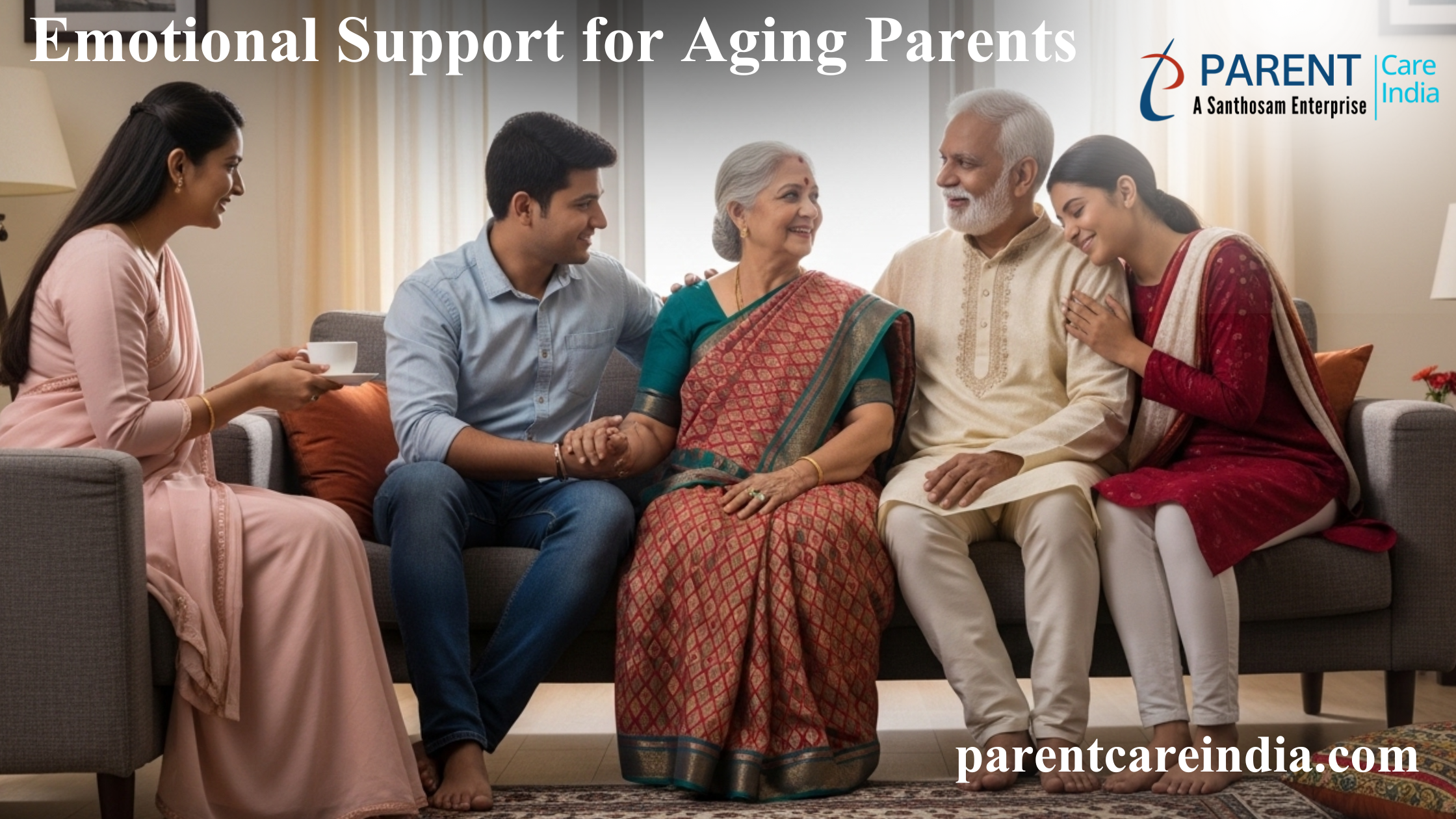
The Importance of Emotional Support for Aging Parents: Ensuring Their Well-Being
As parents grow older, their emotional and physical needs change. One of the most crucial aspects of elderly care is the importance of emotional support for aging parents. While physical assistance is necessary, emotional well-being is just as vital to their overall health. Aging parents may experience feelings of loneliness, sadness, or even depression, especially if they lose independence or face health challenges. By understanding the importance of emotional, families can provide the care and comfort their loved ones need, ensuring a fulfilling life in their later years. In this blog, we’ll explore why emotional support is essential for aging parents and how it enhances their well-being. We will also look at ways caregivers and family members can offer effective emotional care to help seniors live a healthier and happier life. Why Emotional Support Matters for Aging Parents The importance of emotional support for aging parents cannot be overstated. As they age, many seniors begin to experience various emotional challenges, including isolation, fear of losing independence, or sadness over the loss of loved ones. These emotional struggles can lead to significant mental health issues such as depression or anxiety, which directly impact physical health. Providing emotional care ensures that elderly parents feel understood, loved, and less isolated. Studies have shown that seniors who receive consistent emotional support are less likely to develop chronic health conditions. Emotional well-being contributes to improved sleep, better immune function, and a more active lifestyle. This, in turn, promotes a longer and healthier life. Quick Facts About Emotional Support for Aging Parents How Caregivers Provide Emotional Support for Aging Parents Caregivers play a vital role in offering both physical and emotional care. The importance of emotional support for aging parents becomes clear when caregivers offer more than just help with day-to-day tasks. They provide companionship, emotional reassurance, and a listening ear, which are all crucial for seniors’ emotional well-being. Effective caregivers know how to recognize the signs of emotional distress, such as withdrawal, mood changes, or anxiety. They offer comfort by being patient, empathetic, and responsive to the emotional needs of their elderly parents. This not only reduces feelings of loneliness but also helps improve overall mental health, contributing to a better quality of life. Different Actions Needed for Emotional Support to Aging Parents To support aging parents emotionally, there are several practical approaches families can take: By incorporating these simple but effective methods, family members can significantly improve the emotional health of their elderly parents. Understanding the Link Between Emotional Support and Physical Health It’s clear that emotional support for aging parents isn’t just about mental health; it also has direct implications for physical health. Seniors who lack emotional support often suffer from higher stress levels, which can contribute to various physical health problems such as high blood pressure, cardiovascular disease, or weakened immune systems. By offering consistent emotional care, families can help reduce stress and its harmful effects. A supportive environment fosters positive emotions, which in turn strengthens the immune system and reduces the risk of illness. This connection highlights why emotional care is just as critical as physical care. The Lifelong Benefits of Emotional Support for Aging Parents The importance of emotional support for aging parents is clear in its impact on both their mental and physical health. Emotional support not only improves mental health but also plays a crucial role in maintaining good physical health. By offering care, empathy, and companionship, families and caregivers can make a significant difference in the lives of aging parents. At the heart of elder care is the recognition that emotional support is essential for a fulfilling, healthy life. Whether through simple gestures or more structured care, providing emotional support ensures that aging parents feel secure, loved, and appreciated. Santhosam’s commitment to delivering comprehensive care that includes emotional well-being offers a blueprint for families seeking to improve their loved ones’ quality of life. “Connect with us now @ https://parentcareindia.com/ to ensure the emotional support for your parents”
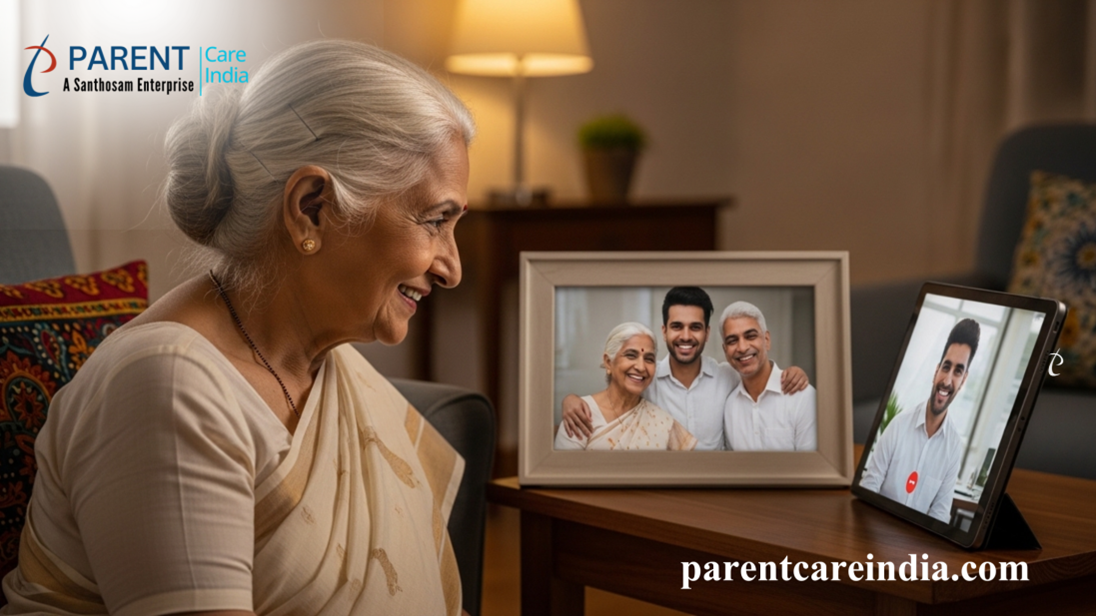
How Santhosam Enhances the Importance of Emotional Support for Elderly Parents
As our parents age, they face numerous challenges, many of which are emotional. In smaller cities like Salem, elderly parents are often far from their children due to migration for work, and may face isolation or the emotional toll of living independently. While Santhosam’s emotional support for elderly parents is universally important, in rural areas like Salem, where family ties are often strong yet geographical distances can cause emotional disconnect, the need for support is amplified. Providing emotional support goes beyond offering simple companionship; it is a crucial aspect of caregiving that directly influences both mental and physical health in elderly individuals. The importance of emotional support for elderly parents can’t be overstated. As seniors lose independence or deal with chronic illness, their emotional health is often overlooked. Yet, the emotional well-being of elderly individuals directly impacts their physical health, ability to cope with illnesses, and their overall quality of life. This is particularly important in the context of Salem, where traditional family structures exist, but the demands of modern life often prevent families from providing the emotional attention that elderly parents need. Emotional support plays a significant role in ensuring aging parents are mentally and emotionally equipped to face life’s challenges, ensuring their dignity, happiness, and a high quality of life. This guide aims to provide a complete, compassionate approach to emotional support for elderly parents, offering caregivers and families practical tips on maintaining emotional bonds, especially when physical distance and other challenges exist. In the following sections, we will explore why emotional support matters, how it benefits both elderly parents and caregivers, and actionable tips on offering this critical support. Key Signs and Solutions for Emotional Distress As our parents grow older, it’s not just their physical health that needs attention emotional well-being is equally important. The importance of emotional support for elderly parents becomes more evident when we consider how emotional distress can manifest in various ways as they navigate the complexities of aging. Recognizing emotional distress in elderly parents is crucial, especially since seniors often feel hesitant to express their emotions. This section outlines the key signs of emotional distress and offers actionable solutions for families and caregivers to support elderly parents emotionally. What are all Key Signs of Emotional Distress in Elderly Parents? 1. Withdrawal from Social Interaction When elderly parents begin withdrawing from social activities, it’s a red flag that they might be experiencing emotional distress. Loneliness in elderly parents is a major cause of emotional strain, and often, isolation is the first indicator. Seniors may begin avoiding family gatherings, social events, or even their favorite hobbies and pastimes due to feelings of sadness, anxiety, or disconnection. 2. Mood Swings and Irritability Frequent, unpredictable mood swings are another common sign of emotional distress in elderly parents. While it’s natural to have occasional mood changes, consistent irritability or unexplained sadness could signal something deeper. This often stems from the emotional toll of aging, such as losing independence, coping with chronic pain, or experiencing health issues. 3. Cognitive Decline and Confusion Cognitive decline often accompanies emotional distress, particularly as seniors face depression or anxiety. If your elderly parent is suddenly having trouble recalling important information, this might not just be a physical issue. It could stem from emotional stress. The emotional well-being of elderly parents can directly influence their mental clarity and cognitive health. 4. Sleep Disturbances Changes in sleeping habits such as insomnia, restlessness, or excessive sleeping are often linked to emotional distress. Seniors who experience high levels of stress, sadness, or anxiety may struggle to sleep, which can exacerbate both emotional and physical issues. Solutions to Address Emotional Distress 1. Regular Communication One of the simplest yet most effective solutions for addressing emotional distress is regular communication. Engaging with elderly parents through calls, video chats, or face-to-face visits helps them feel connected and supported. Even if you live far away, technology allows you to bridge the emotional gap and offer consistent care. 2. Encouraging Social Interaction Encourage elderly parents to get involved in local activities to reduce isolation. Many seniors may hesitate to reach out due to lack of motivation or fear of judgment. Caregivers can help by suggesting gentle social opportunities that align with their parents’ interests. 3. Seeking Professional Help If the emotional distress persists or seems to be worsening, seeking professional mental health support is crucial. Whether through therapy or counseling, a professional can provide the tools necessary to cope with emotional distress. Many times, elderly parents feel more comfortable discussing their emotions with someone outside the family. Building Stronger Bonds by Communication Effective communication is the foundation of any relationship, especially with elderly parents. As they age, their communication style may change, and they may become less vocal about their emotional needs. The importance of emotional support for elderly parents can be significantly enhanced through meaningful, empathetic communication. Here, we’ll discuss how to connect with elderly parents by communication, offering tips to strengthen the emotional bond and ensure that their needs are met. The Power of Active Listening 1. Understanding Their Emotional Needs Active listening is one of the most effective tools caregivers can use to connect with elderly parents. When seniors feel heard, it helps alleviate anxiety, frustration, and emotional distress. Listening is not just about hearing words. It’s about understanding the deeper emotional context behind them. 2. Validating Their Feelings Validating the emotions of elderly parents is crucial in ensuring they feel emotionally secure. Instead of dismissing their fears or concerns, caregivers must acknowledge them and offer emotional support. Creating Safe Spaces for Open Communication 1. Encouraging Open Conversations Creating a space where elderly parents feel comfortable sharing their emotions is essential. By fostering an open and judgment-free environment, caregivers can ensure that elderly parents feel safe expressing themselves without fear of being criticized or misunderstood. 2. Non-Verbal Communication Matters Effective communication is not only about words but also about non-verbal cues. Non-verbal communication such as body language, facial expressions, and gestures can convey warmth, understanding, and