
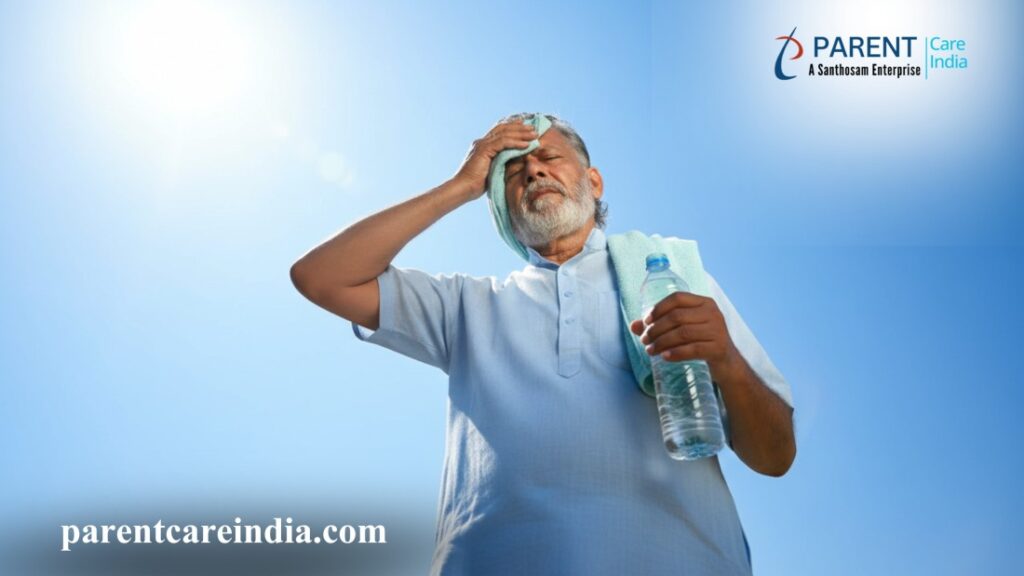
Summer is a season many look forward to, but for older adults, it can bring significant health challenges. Rising temperatures, increased humidity, and prolonged exposure to heat can affect seniors more severely than younger individuals. This makes Summer Care for Elders an essential responsibility for families and caregivers.
As people age, the body’s ability to regulate temperature weakens. Reduced thirst sensation, chronic medical conditions, and medications further increase the risk of dehydration and heat-related illnesses. Without proper attention, even a short period of heat exposure can lead to serious complications.
Providing effective Summer Care for Elders goes beyond just keeping them indoors. It involves a holistic approach ensuring proper hydration, balanced nutrition, a safe living environment, and a structured daily routine. In regions with intense summer heat, these measures become even more crucial. This comprehensive guide will help you understand how to deliver the best Summer Care for Elders, ensuring their comfort, safety, and well-being throughout the season.
Hydration and Nutrition: The Core of Summer Care for Elders
Hydration and nutrition are the foundation of maintaining good health during summer. For seniors, this becomes even more critical, as their bodies are less efficient at conserving water and maintaining electrolyte balance.
Importance of Staying Hydrate
One of the most important aspects of Summer Care for Elders is ensuring they remain adequately hydrated. Unlike younger individuals, seniors may not always feel thirsty even when their body needs fluids. This can lead to unnoticed dehydration, which can quickly escalate into serious health issues.
Encouraging regular fluid intake is essential. Water should be consumed throughout the day in small amounts rather than waiting until thirst kicks in. Including hydrating drinks like tender coconut water, lemon juice, and buttermilk can make hydration more appealing and effective.
Caregivers should also monitor fluid intake, especially for elders with conditions like diabetes or kidney issues, where fluid balance needs careful attention.
Summer-Friendly Foods for Seniors
Nutrition plays a key role in strengthening the body’s ability to cope with heat. During summer, heavy and oily foods can cause discomfort and increase body heat, making seniors feel sluggish.
A balanced diet for Elders should include:
- Fresh fruits like watermelon, papaya, and oranges
- Vegetables with high water content such as cucumber and tomatoes
- Light meals like porridge, salads, and steamed foods
These foods not only provide essential nutrients but also help in maintaining hydration levels. Smaller, more frequent meals are often better than large portions, as they are easier to digest.
Recognizing Signs of Dehydration
Early detection of dehydration is a critical component of Summer Care for Elders. Many symptoms can be subtle and easily overlooked.
Common signs include:
- Dry mouth and lips
- Dizziness or lightheadedness
- Reduced urine output or dark-colored urine
- Fatigue and confusion
If these signs are noticed, immediate action should be taken by increasing fluid intake and allowing the elder to rest in a cool environment. Severe dehydration may require medical attention.
Creating a Simple Summer Diet Plan
Planning meals in advance can significantly improve Summer Care for Elders. A well-structured diet plan ensures that seniors receive all necessary nutrients without overburdening their digestive system.
A typical day might include:
- Morning: Light breakfast with fruits and fluids
- Afternoon: Balanced meal with rice, vegetables, and curd
- Evening: Fresh juice or light snacks
- Night: Simple, easy-to-digest dinner
Avoiding excessive caffeine and sugary drinks is important, as they can contribute to dehydration.
Preventing Heat-Related Illnesses in Seniors During Summer
Heat-related illnesses are one of the biggest risks during summer. Proper awareness and preventive measures are essential for effective Summer Care for Elders.
Understanding Heat Stroke and Heat Exhaustion
Heat exhaustion and heat stroke are serious conditions that can occur due to prolonged exposure to high temperatures.
- Heat exhaustion may cause sweating, weakness, nausea, and headaches
- Heat stroke is more severe and can lead to high body temperature, confusion, and even unconsciousness
Immediate cooling and medical attention are crucial in such situations.
Why Seniors Are More Vulnerable
Aging reduces the body’s natural cooling mechanisms, making it harder to adapt to temperature changes. Chronic illnesses like heart disease and medications can further increase vulnerability.
This is why Summer Care for Elders must be proactive rather than reactive.
Early Warning Signs to Watch For
Recognizing early symptoms can prevent complications. Watch for:
- Sudden fatigue
- Muscle cramps
- Excessive sweating or lack of sweating
- Rapid heartbeat
Timely intervention can make a significant difference in preventing severe conditions.
Preventive Measures at Home
Simple precautions can greatly improve Summer Care for Elders:
- Keep indoor spaces well-ventilated
- Use fans or air conditioning when needed
- Avoid outdoor activities during peak heat hours (11 AM – 4 PM)
- Encourage wearing hats or carrying umbrellas when stepping out
Consistency in these practices ensures better protection against heat-related illnesses.
Creating a Safe and Comfortable Home Environment for Elderly in Summer
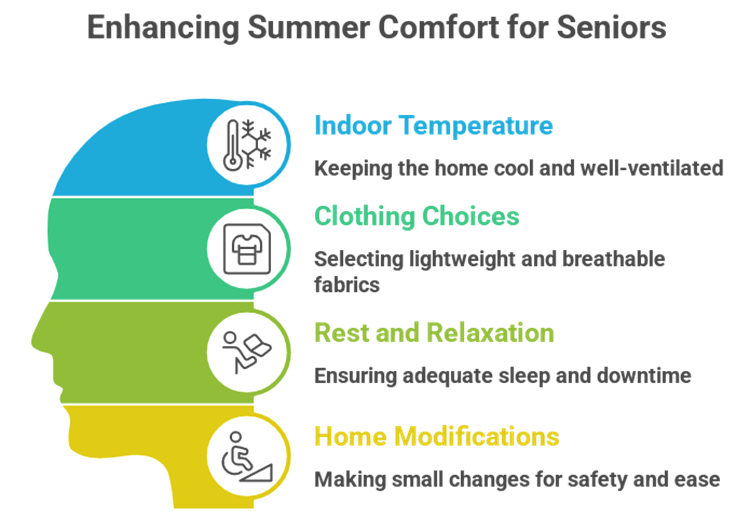
The home environment plays a crucial role in ensuring effective Summer Care for Elders. A well-maintained space can significantly reduce discomfort and health risks.
Maintaining Indoor Temperature
Keeping the house cool is essential. Use curtains or blinds to block direct sunlight. Cross-ventilation allows fresh air to circulate, reducing indoor heat.
Cooling appliances like fans and air conditioners should be used wisely to maintain a comfortable temperature.
Choosing the Right Clothing
Clothing has a direct impact on body temperature. Seniors should wear:
- Loose-fitting clothes
- Light-colored fabrics
- Breathable materials like cotton

This helps in better air circulation and reduces sweating.
Importance of Rest and Relaxation
Rest is an important aspect of Summer Care for Elders. Overexertion during hot weather can lead to fatigue and health issues.
Encourage elders to:
- Take frequent breaks
- Stay indoors during peak heat
- Engage in relaxing activities
Simple Home Modifications
Small changes can make a big difference:
- Keep water easily accessible
- Install anti-slip mats to prevent falls
- Create shaded resting areas
These modifications improve both safety and comfort.
Daily Routine and Lifestyle Tips for Effective Summer Care for Elders
A structured routine ensures consistent care and enhances the overall quality of life.
Ideal Daily Schedule for Summer
Planning the day around cooler hours is essential for effective Summer Care for Elders. Activities should be scheduled in the early morning or late evening.
Safe Physical Activities
Regular movement is important, but it should be done safely. Light exercises such as walking or stretching help maintain mobility without causing exhaustion.
Sleep and Rest Patterns
Proper sleep is crucial for recovery and overall health. Ensure:
- A cool sleeping environment
- Comfortable bedding
- Minimal disturbances
Supporting Mental Well-being
Mental health is just as important as physical health. Encourage activities like:
- Reading
- Listening to music
- Spending time with family
This keeps seniors engaged and emotionally balanced.
Ensuring proper Summer Care Support
In conclusion, ensuring proper Summer Care for Elders is not just a seasonal responsibility. It is an essential part of safeguarding their overall health, dignity, and quality of life. As temperatures rise, the risks associated with heat, dehydration, and fatigue increase significantly for seniors. However, with the right awareness and timely actions, these risks can be effectively minimized.
A holistic approach to Summer Care for Elders makes all the difference. Simple yet consistent practices like encouraging regular hydration, providing balanced and light nutrition, maintaining a cool and safe home environment, and following a structured daily routine collectively create a protective shield against the harsh effects of summer. Each small step, when done with care and consistency, contributes to their comfort and well-being.
Equally important is emotional support and companionship. Summer can sometimes limit outdoor movement, leading to feelings of isolation among elders. Spending quality time with them, engaging them in meaningful conversations, and involving them in simple indoor activities can greatly enhance their mental well-being. After all, Summer Care for Elders is not only about physical health but also about emotional comfort and a sense of belonging.
Caregivers and family members play a crucial role in observing early warning signs and responding quickly. Being attentive to changes in behavior, energy levels, or health conditions can help prevent complications before they become serious. Proactive care is always more effective than reactive treatment.
Ultimately, Summer Care for Elders is about creating an environment where seniors feel safe, valued, and comfortable despite the challenges of the season. With thoughtful planning, patience, and compassion, families can ensure that their loved ones not only stay protected during summer but also continue to live with happiness and dignity.
A little extra care today can lead to a healthier, safer, and more comfortable tomorrow for our elders.